
SWIFT Compliance Management
Despite the availability of compliance solutions, the burden on businesses remains significant. The sheer number of laws and regulations that businesses need to comply with can be overwhelming, especially for small and medium-sized enterprises (SMEs) with limited resources. The compliance management burden on businesses goes beyond just understanding and adhering to the laws. It also involves implementing processes, systems, and controls to ensure ongoing compliance, monitoring changes in regulations, conducting regular audits, and maintaining accurate records. All of these activities require time, effort, and financial resources. Compliance Management involves implementing policies and procedures to detect and prevent violations, as well as responding to non-compliance incidents.

For SMEs in particular, the compliance burden can be even more challenging. They often lack dedicated compliance departments or personnel and may have limited knowledge about the intricacies of various laws. As a result, they may struggle to keep up with the ever-changing regulatory landscape and face potential penalties or legal consequences for non-compliance. Moreover Additionally, SMEs may find it difficult to allocate sufficient resources to ensure compliance with all applicable regulations. With limited budgets and manpower, they may have to prioritize other business operations, leaving compliance as a secondary concern. This can further exacerbate the compliance burden and increase the risk of non-compliance. SMEs must find ways to navigate this complex landscape, such as seeking external assistance or investing in compliance training for their employees.

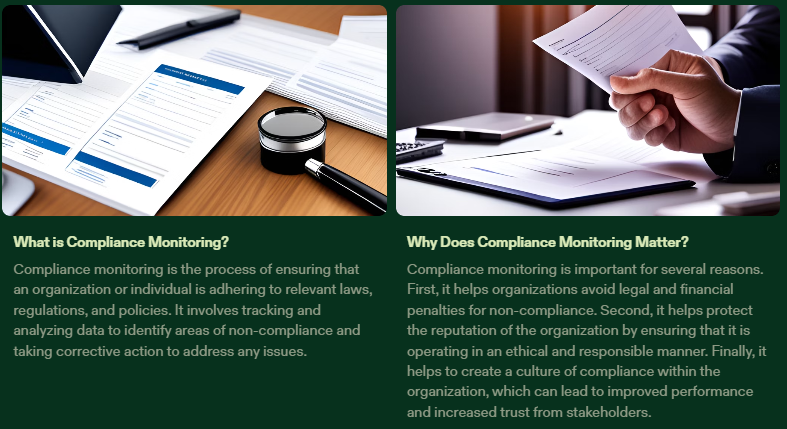
Compliance management is the process of ensuring that an organization’s systems, policies, and procedures comply with internal and external rules, such as laws, regulations, standards, and codes of conduct. Compliance management involves monitoring, assessing, identifying, and closing compliance gaps or issues on an ongoing basis. It is important to avoid violating regulations, which can lead to fines or other harm. Compliance management can be done by designated team members or officers, and can be supported by a system that is integrated across the organization.